
references
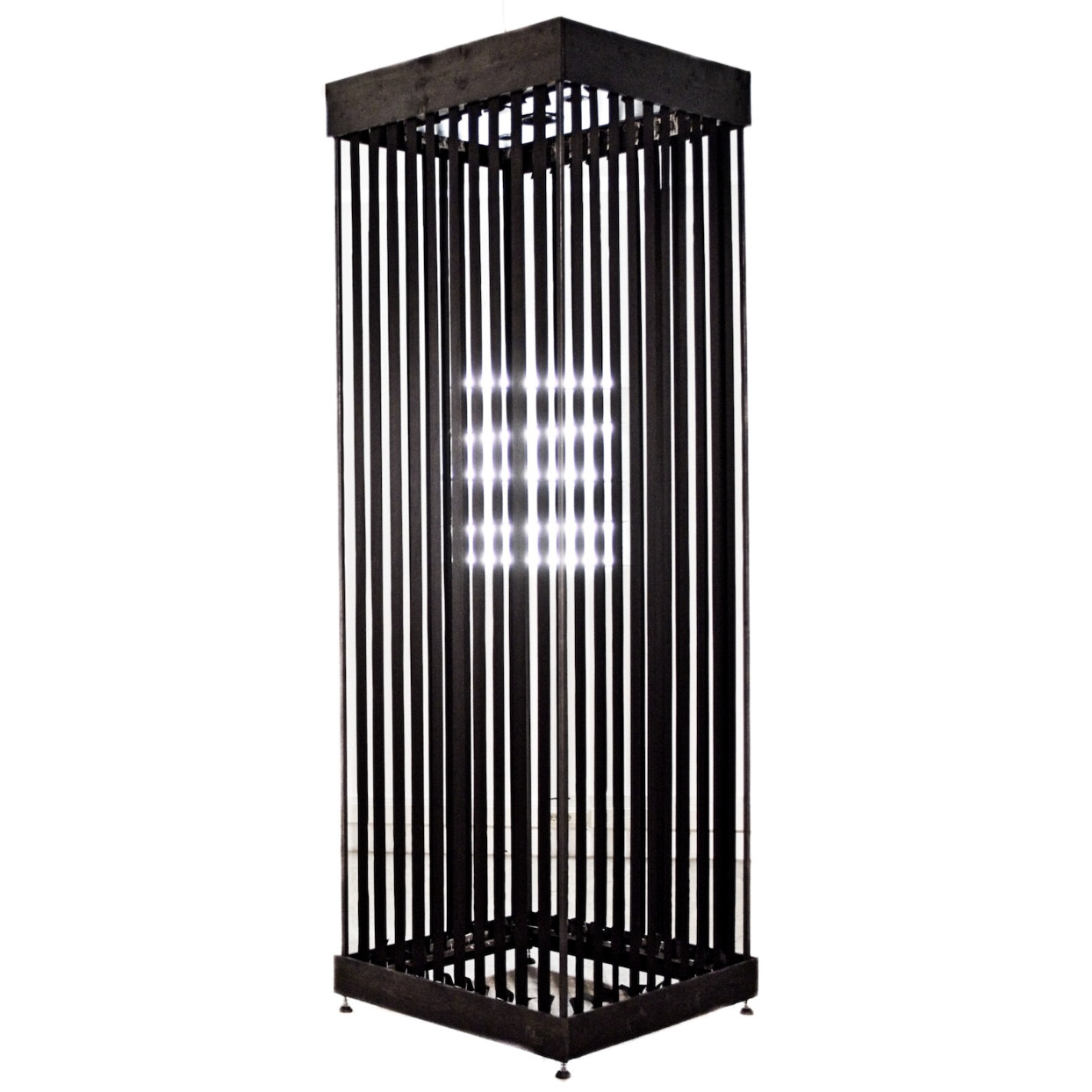
Spannung
The interactive sound installation Spannung is a 3.20-metre installation consisting of tightly stretched fabric belts that can be used to trigger and modulate the integrated sound generation. These sounds are generated using SuperCollider on a Bela board and played back through embedded speakers. The installation can also provide data in MIDI format and connect to a computer.
Spannung was developed and exhibited by Jens Vetter at Medienwerkstatt Wien in March 2026.
more on jensvetter.de/spannung
- concept and technical realization
- custom design of sensor circuits and mechanisms, metal pieces and 3D printed housing
- interaction design, programming and mapping
- sound development on SuperCollider
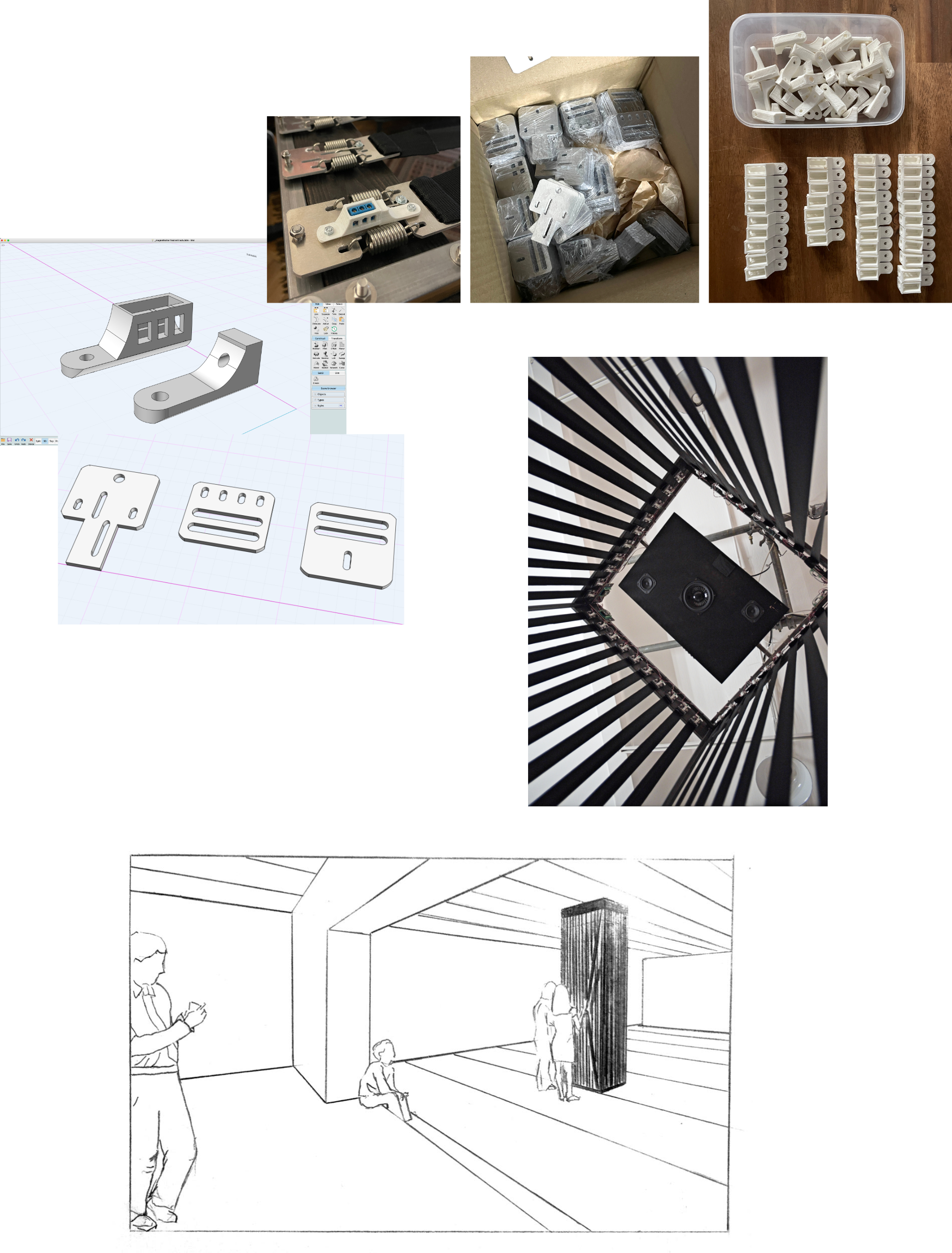
development and interaction design of Spannung (2026) sketch by Stephan Popella.
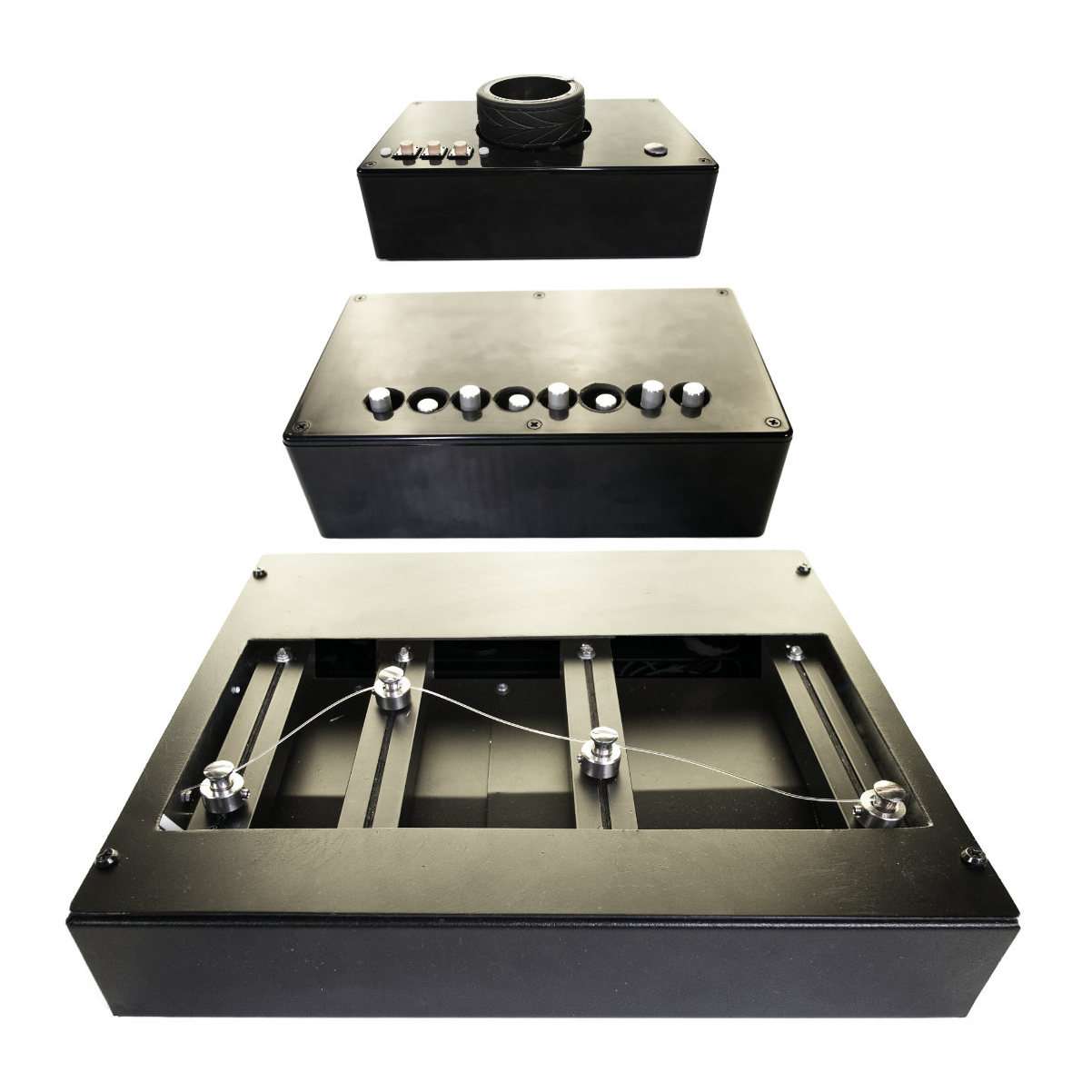
Tangible Signals
Multiple interactive physical sound displays were developed by Jens Vetter in collaboration with Erich Schmid, a blind composer, musician and teacher at the Institute for the Blind (BBI) in Vienna. The main focus of the development was the artistic exploration of tangible musical interaction for visually impaired and blind musicians in the context of accessibility and computer music. See research project Tangible Signals.
- user-centered research and development
- music software programming, incl. programming language design
- development and manufacturing of electronic circuits
- design of mechanical interaction elements
- programming of microcontrollers, serial interface, MIDI connectivity
demonstration of the tangible interfaces with custom sound software
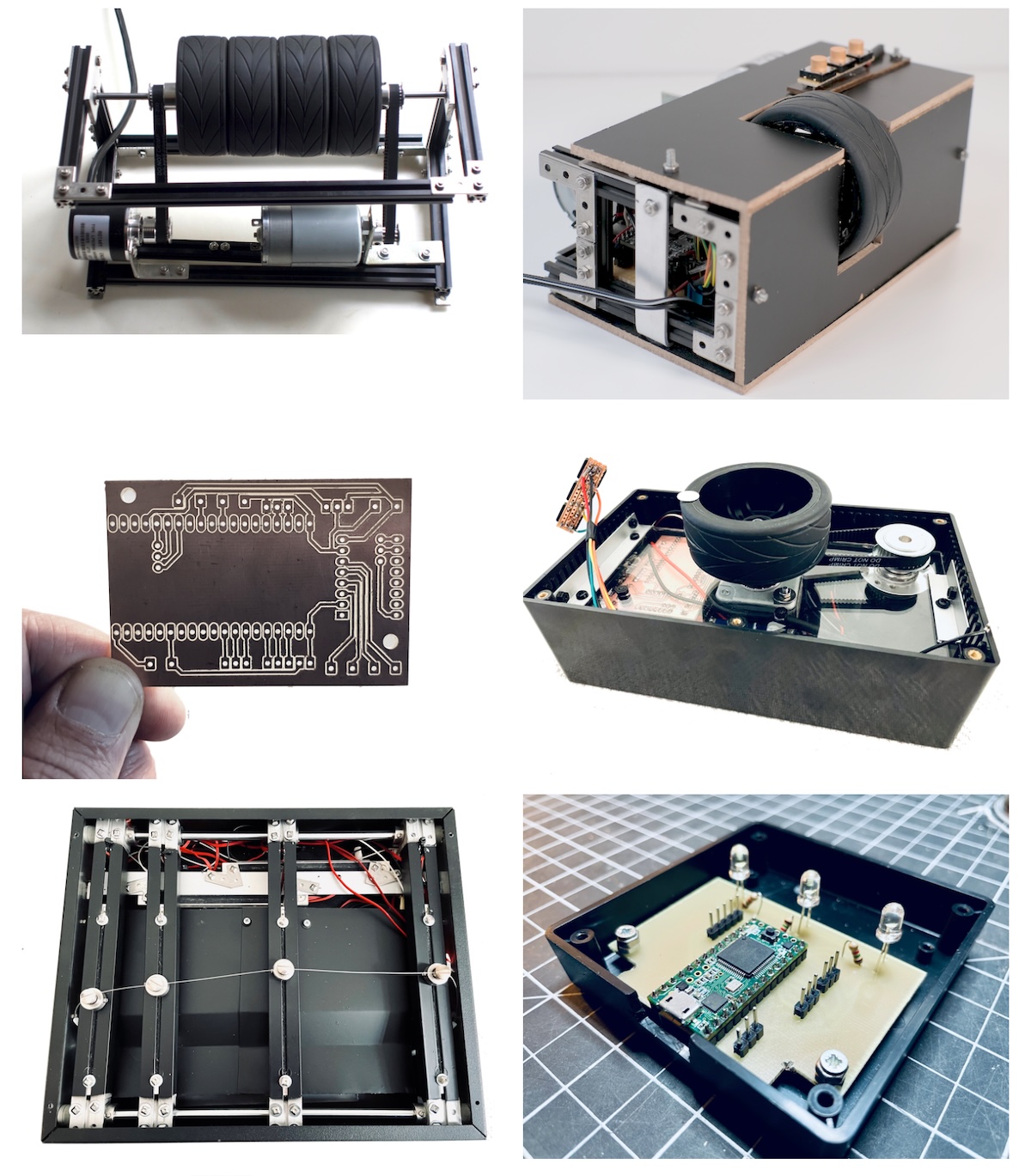
development including circuit board design, mechanics, electronics, production
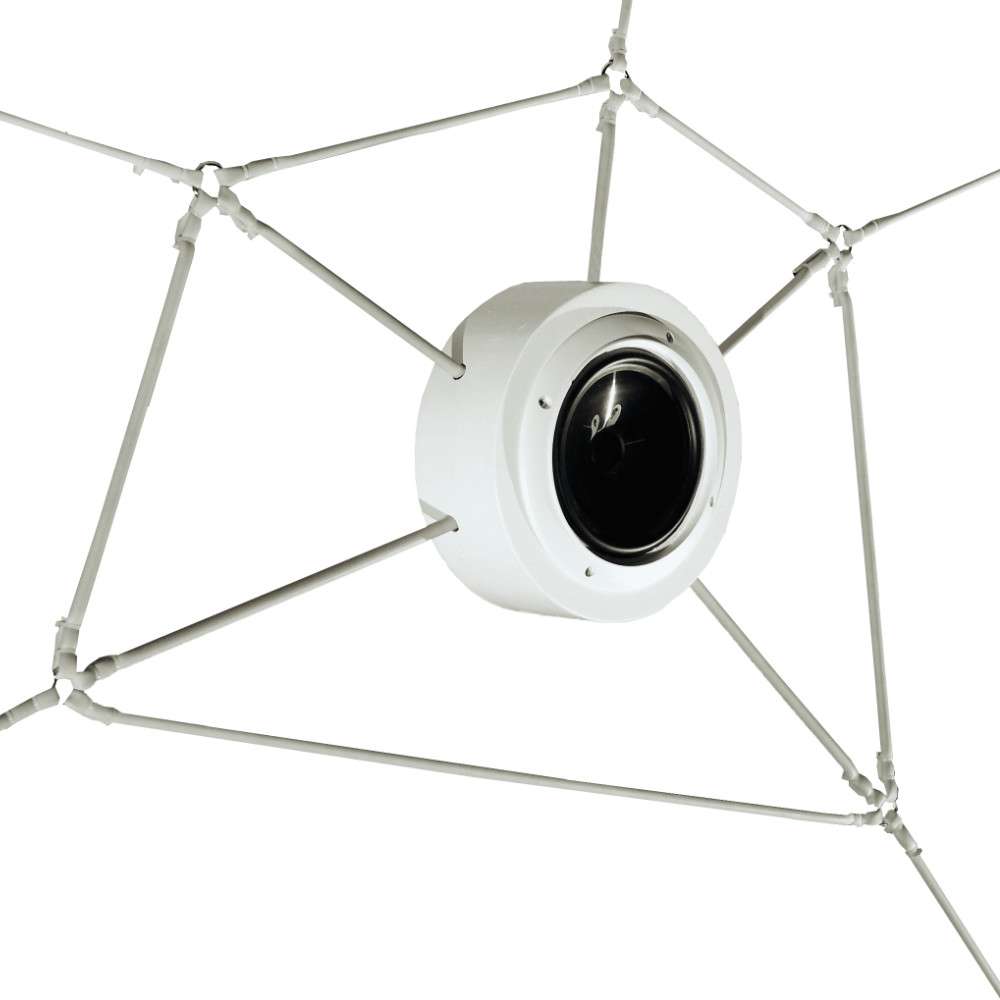
Netz 2.0.
Interactive sound installation by Jens Vetter based on stretching strings. The installation generates sounds according to the amount of stretching. The installation was developed and build using rubber bands, a micro controller and weight sensors.
- research and development of load cell weight sensors to measure bending
- design and manufacturing of speaker box
- circuit board design
- programming a system for realtime sound generation on Teensy 3.1
- construction and installation of rubber band structure
Netz 2.0 - demonstration at Lab30 Festival
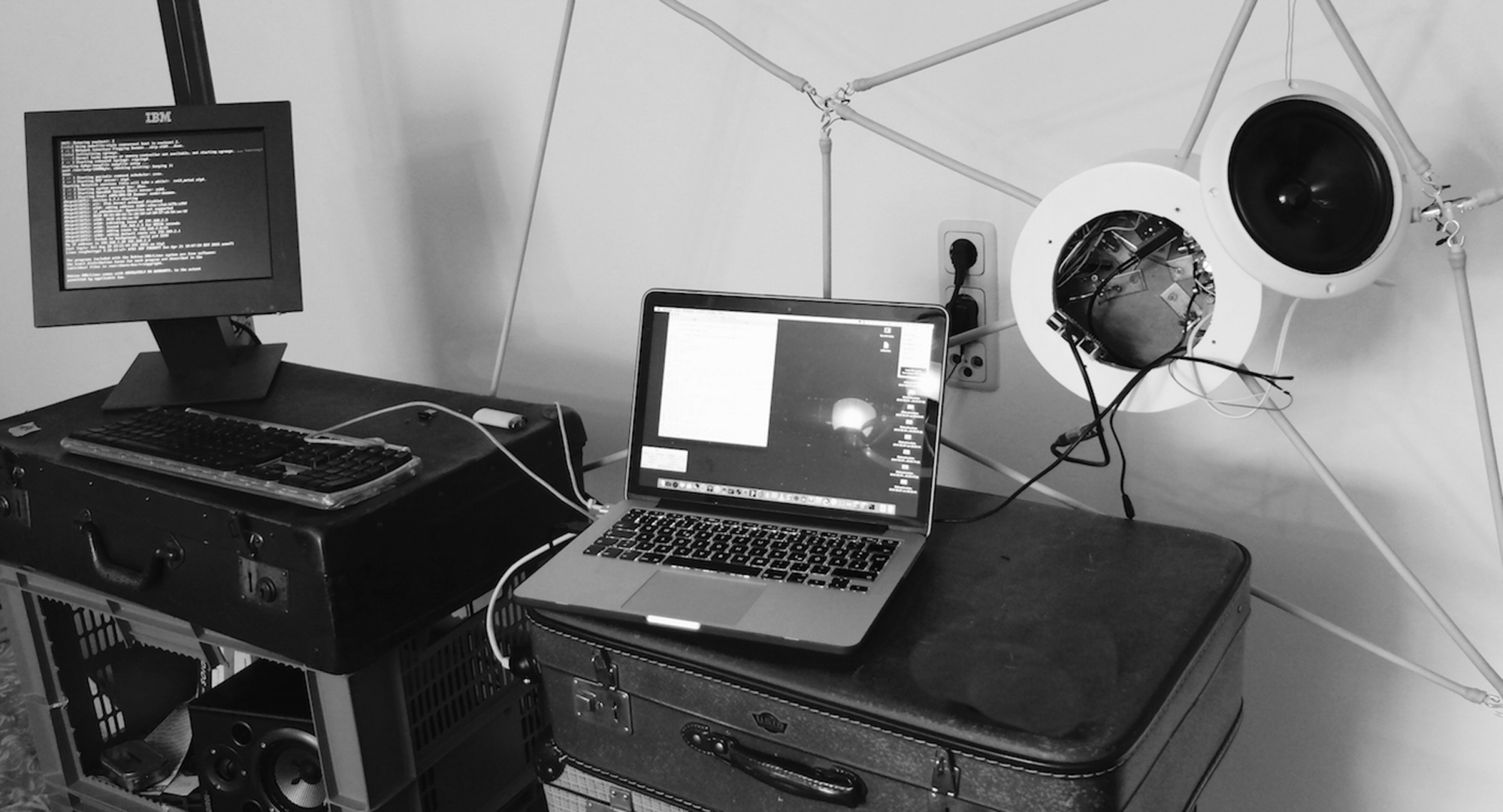
development with weight sensors, rubber bands, battery, Teensy microcontroller
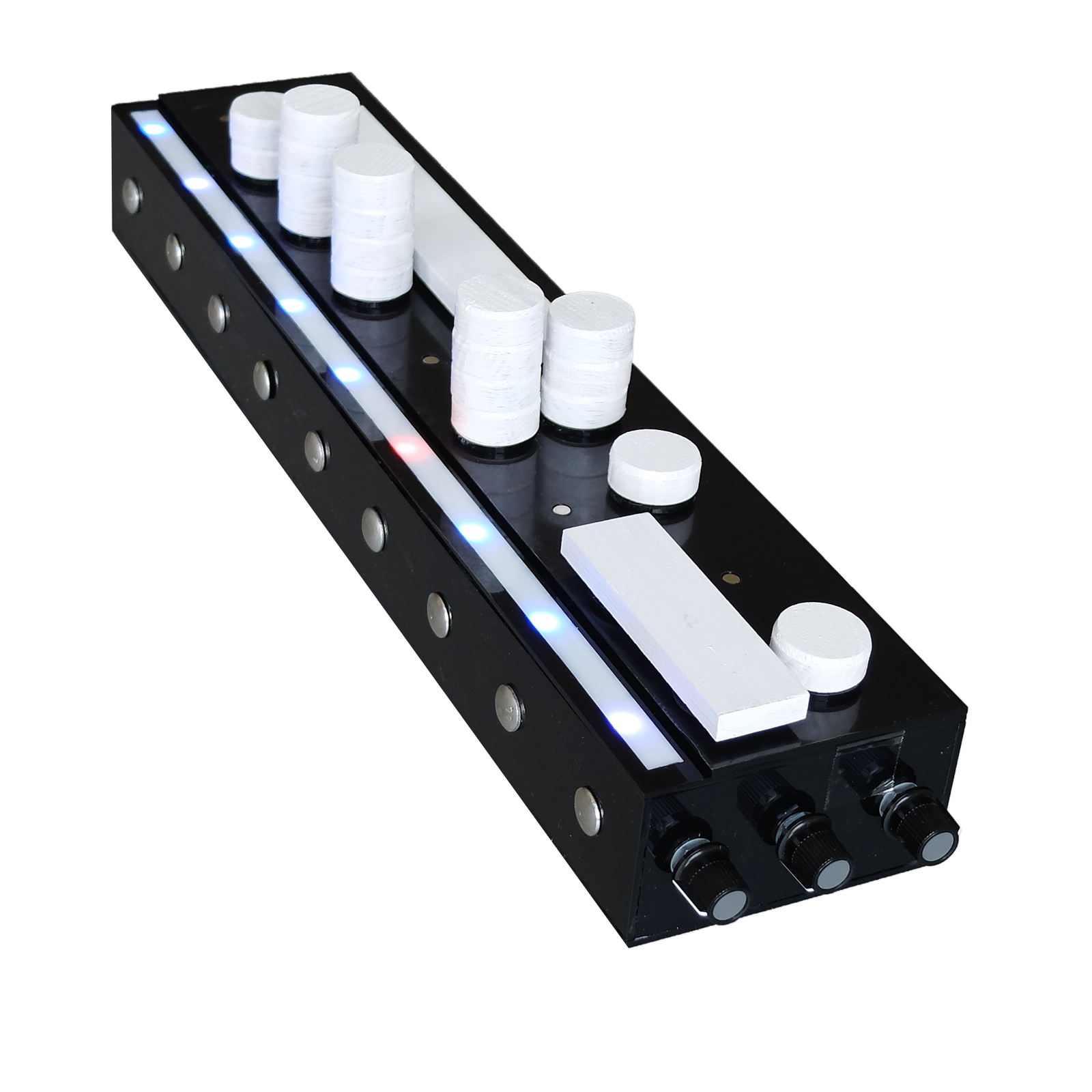
Tquencer
The Tquencer is a tangible step sequencer based on physical tokens and overlays. Instead of programming digital sequences by using graphical displays, the Tquencer offers intuitive use through its physical design elements for creating musical patterns.
It was developed at the Tangible Music Lab, University of Art Linz by Jens Vetter and Martin Kaltenbrunner in order to explore digital step sequencers in the physical domain.
- iterative research and development
- layout, design and manufacturing of electronic circuits with KiCad, Fritzing, SMD components
- design and manufacturing of the device
- laser cutting of acrylic housing
Tquencer - tangible step sequencer demo.
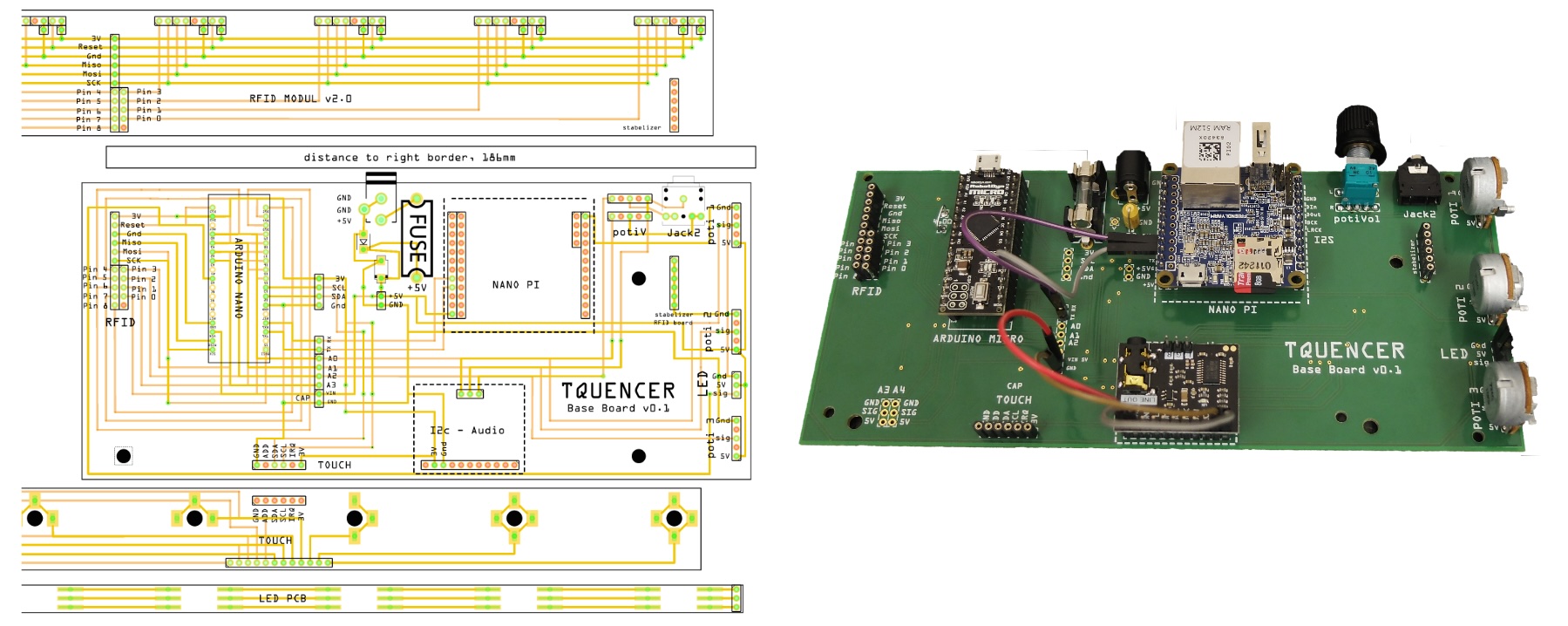
interface design, circuit board schematics and production, acryl lasercut, magnets, etc.